Songkran is celebrated across Thailand, but the way people observe the festival changes from region to region. Local history, beliefs, and lifestyles shape how each area welcomes the Thai New Year, creating unique experiences throughout the country.
Northern Thailand
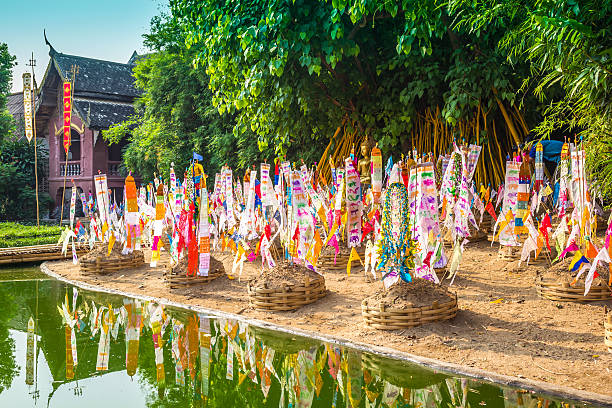
In the North, especially in Chiang Mai, Songkran lasts longer and keeps many traditional elements. People visit temples, build sand pagodas, and gently pour water over Buddha images and elders. The celebrations feel balanced between respect, ritual, and joy.
Central Thailand
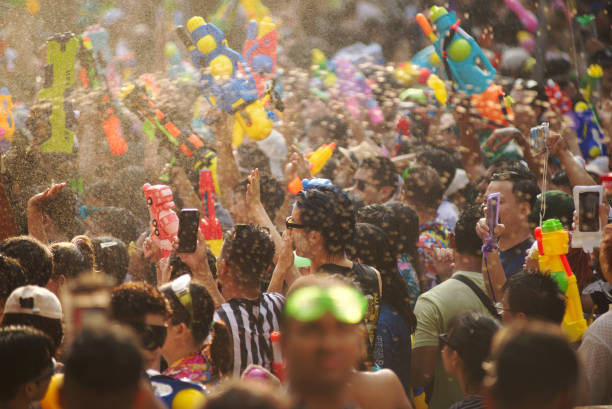
In Bangkok and nearby provinces, Songkran is a mix of old and new. Temple ceremonies take place in the morning, while large street celebrations happen later in the day. Families still return home to pay respect to elders, even as modern festivities grow.
Northeastern Thailand (Isan)
In Isan, Songkran focuses strongly on family and community. People return to their hometowns, prepare traditional food, and perform blessings for elders. Celebrations are often simpler, calmer, and deeply connected to local traditions.
Southern Thailand
In the South, Songkran is usually more modest and shorter. Religious activities at temples are central, and water splashing is limited. Many communities prefer quiet family gatherings and merit-making over large public events.
Across Thailand, Songkran may look different, but its heart remains the same. It is a time of renewal, gratitude, and respect. Understanding these regional differences helps visitors experience Songkran not as one festival, but as many cultural stories shared across the country.