Songkran, Thailand’s traditional New Year festival, is often known around the world for its massive water fights and street parties. While these celebrations are exciting and colorful, they represent only one side of Songkran. The festival is actually experienced in two very different ways: Songkran at temples and Songkran on the streets. Both are important, and together they reveal the true depth of Thai culture.
Songkran at Temples: Spiritual and Traditional
Songkran at temples reflects the original and spiritual meaning of the festival. This side of Songkran is calm, respectful, and deeply connected to Buddhism. Many Thai people begin Songkran by visiting local temples early in the morning.
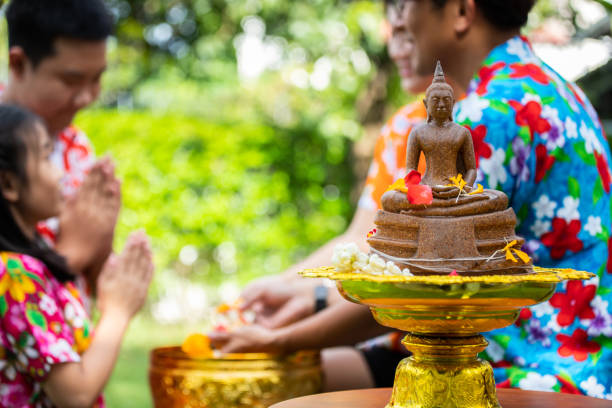
At temples, people make merit by offering food to monks, releasing birds or fish, and listening to sermons. Buddha images are gently cleaned and sprinkled with scented water, symbolizing purification and good fortune for the coming year. This act is not playful—it is slow, respectful, and meaningful.
Another important tradition is the pouring of water over the hands of elders. Younger family members ask for blessings and forgiveness, showing gratitude and respect. This ritual highlights core Thai values such as family unity, humility, and respect for age and wisdom.
For many Thais, Songkran at temples is the heart of the festival. It is a time for reflection, renewal, and spiritual balance rather than celebration alone.
Songkran on the Streets: Joyful and Modern
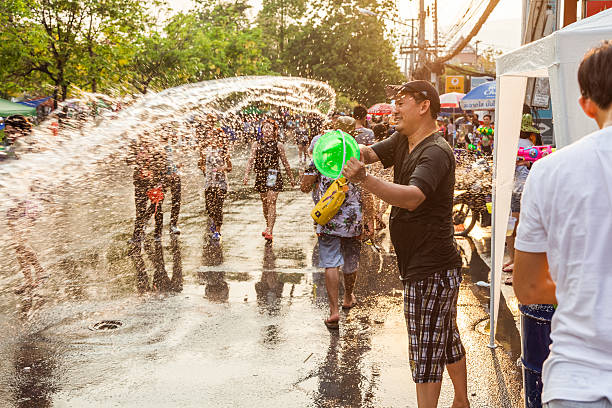
In contrast, Songkran on the streets represents the modern and social side of the festival. Streets across Thailand transform into open celebrations filled with water splashing, music, laughter, and crowds. Water guns, buckets, and hoses turn entire neighborhoods into festive zones.
Street celebrations are especially popular in large cities and tourist destinations. People of all ages join in, locals and visitors alike, creating a shared atmosphere of joy and connection. Music stages, foam parties, and parades add to the excitement.
While this side of Songkran is less traditional, it still reflects an important cultural idea: letting go of stress, welcoming happiness, and starting the new year with positivity.
Key Differences Between Temples and Streets
The difference between Songkran at temples vs on the streets is not about right or wrong—it is about purpose.
- Temples focus on spirituality, respect, and tradition
- Streets focus on fun, social bonding, and celebration
- Temple rituals are quiet and symbolic
- Street celebrations are loud, energetic, and modern
Both experiences coexist and together create the full Songkran experience.
How Visitors Should Experience Both Sides
Visitors to Thailand during Songkran can enjoy both sides of the festival by understanding when and where each takes place. Visiting a temple in the morning offers insight into the cultural and spiritual meaning of Songkran. Joining street celebrations later in the day allows visitors to experience the joy and excitement that Songkran is famous for.
Respect is essential. Dressing modestly at temples, behaving calmly, and avoiding splashing monks or elders shows cultural awareness and appreciation.
The True Meaning of Songkran
Understanding Songkran at temples vs on the streets helps reveal that Songkran is more than a water festival. It is a celebration of renewal, gratitude, community, and joy. Whether experienced in quiet temple courtyards or lively city streets, Songkran remains one of the most meaningful and unifying festivals in Thai culture.