Phi Ta Khon stands out as one of Thailand’s most visually striking and culturally meaningful festivals. Every year, the celebration takes place in Dan Sai District, Loei Province, where folklore, Buddhism, and community spirit come together. As a result, the festival creates an atmosphere that feels both sacred and playful.
Over time, The festival grew from a local ritual into a festival admired worldwide. Today, international travelers recognize it as a symbol of Thailand’s ability to blend spirituality with joyful expression.
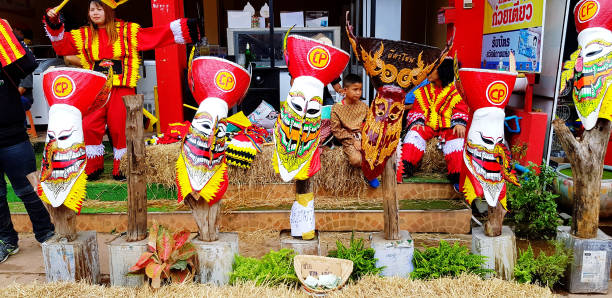
The Ancient Legend Behind Phi Ta Khon
At its core, Phi Ta Khon draws inspiration from Thai folklore and Buddhist mythology. In particular, the festival connects to the story of Prince Vessantara, one of the Buddha’s previous lives.
According to legend, Prince Vessantara returned home after a long journey. Because of the overwhelming joy surrounding his return, spirits from forests and unseen realms joined the celebration. As a result, villagers began to believe that ghosts could celebrate alongside humans.
Therefore, this legendary event became the foundation of the festival in Thailand, symbolizing harmony between the human world and the spirit world.
Why Ghosts Are Celebrated, Not Feared
Unlike many cultures that associate ghosts with fear, it presents spirits as joyful and symbolic figures. Instead of creating tension, the festival encourages laughter and celebration.
The ghosts represent:
- The impermanence of life
- The Buddhist cycle of rebirth
- Balance between visible and invisible worlds
Because of this belief, the festival transforms spiritual teachings into a colorful and accessible celebration.
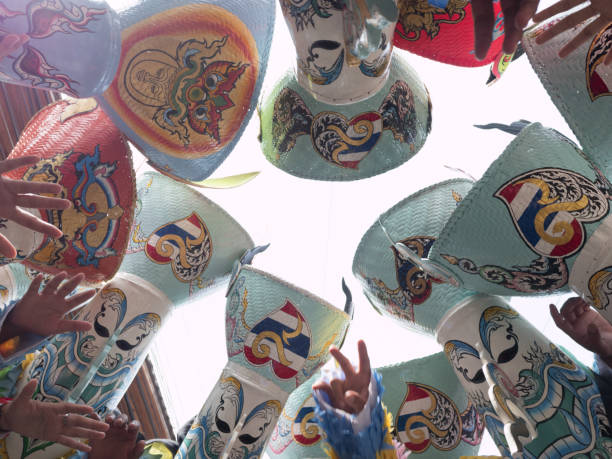
The Meaning Behind Phi Ta Khon Masks
Perhaps the most iconic element of the this festival is the handcrafted ghost mask. Local artisans traditionally create these masks using:
- Coconut husks to shape the face
- Sticky rice steamers to form the headpiece
Then, they paint each mask in bold colors with dramatic expressions. As a result, every mask becomes a unique piece of cultural art.
What the Masks Symbolize
- Bright colors express joy and celebration
- Fierce expressions show spiritual power
- Individual designs reflect local creativity
Consequently, Phi Ta Khon masks have become global symbols of Thailand’s most colorful ghost festival.
Buddhist Rituals and Cultural Significance
Although the festival appears playful, it remains deeply connected to Theravada Buddhism. In fact, it forms part of a larger religious event called Boon Luang.
During this time, villagers and visitors participate in:
- Listening to Buddhist sermons
- Making merit for prosperity and balance
- Honoring ancestors and protective spirits
Meanwhile, parades and music continue throughout the town. Therefore, sacred rituals and joyful celebrations exist side by side.
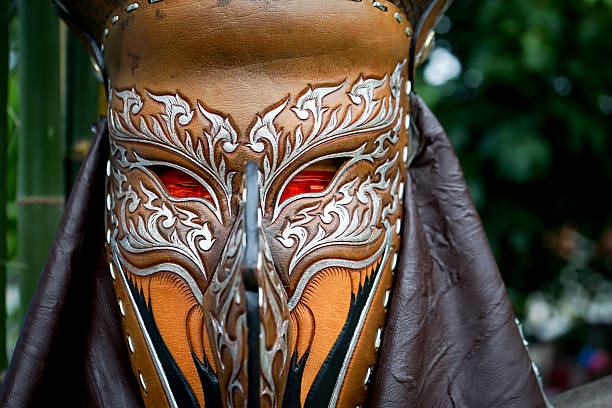
How Phi Ta Khon Became Known Worldwide
In recent decades, Phi Ta Khon moved beyond a local tradition. Gradually, cultural preservation efforts and media exposure introduced the festival to a global audience.
International travelers now seek Phi Ta Khon because:
- The experience feels authentic and community-driven
- The stories connect deeply with Thai heritage
- The visuals remain unmatched by other festivals
As a result, Phi Ta Khon now stands alongside Songkran and Loy Krathong as one of Thailand’s most unique cultural festivals.
Why Phi Ta Khon Reflects the Soul of Thailand
Ultimately, Phi Ta Khon represents far more than a festival. It reflects Thailand’s view of life, death, and spirituality as connected forces rather than opposites.
Through laughter, color, and ritual, the festival shows that even spirits can celebrate life. Therefore, Phi Ta Khon offers cultural travelers a deeper understanding of Thailand’s soul—one where tradition, joy, and belief move together.