The Loy Krathong Festival is one of Thailand’s most beautiful and meaningful traditions, deeply connected to Thai history, beliefs, and Buddhism. Over time, this festival has evolved from an ancient ritual into a nationwide celebration that combines spirituality, culture, and community.
How Loy Krathong Came to Thailand
The origins of the Loy Krathong Festival trace back more than 700 years to the Sukhothai Kingdom. Many historians believe the tradition was influenced by ancient Brahman practices from India, where people paid respect to water spirits. During the reign of King Ramkhamhaeng, these beliefs blended with Thai culture and Buddhist teachings, shaping Loy Krathong into the festival known today.
A well-known legend speaks of Noppamas, a royal consort who is said to have created the first beautifully decorated krathong using banana leaves and flowers. Whether legend or history, her story reflects how artistry and devotion became central to the festival.
Why People Float Krathongs
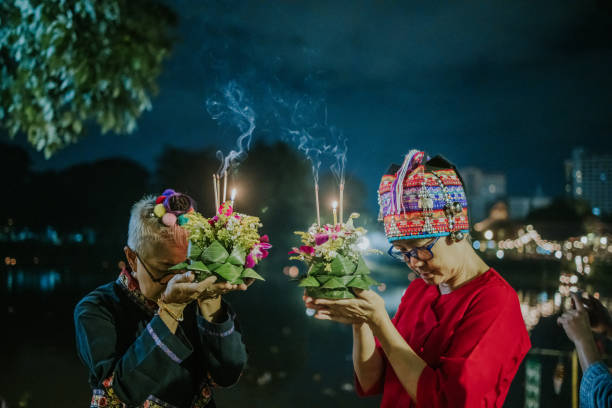
People float krathongs to show gratitude to Phra Mae Khongkha, the Goddess of Water, for providing life and abundance throughout the year. At the same time, floating a krathong symbolizes letting go of bad luck, negative thoughts, and past mistakes. Many people place candles, incense, flowers, and even a strand of hair or nail clippings inside the krathong to represent releasing misfortune.
Materials Used to Make Krathongs
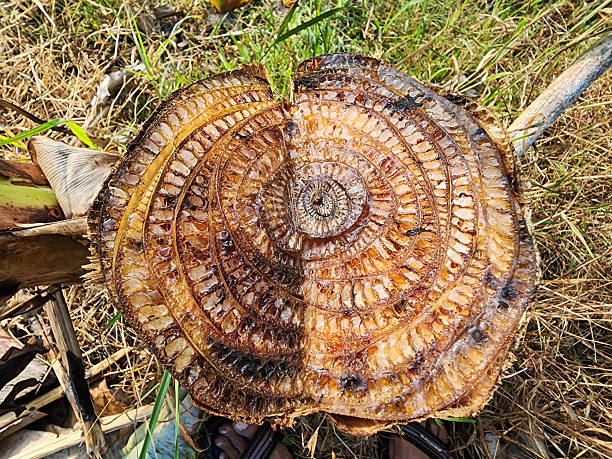
Traditionally, krathongs are made from natural materials such as banana tree trunks, banana leaves, flowers, candles, and incense sticks. These materials reflect harmony with nature and Buddhist values of non-harm. In modern times, eco-friendly krathongs are strongly encouraged to protect rivers and canals.
Connection to Buddhism
Loy Krathong also has a strong Buddhist connection. Floating the krathong is seen as an act of merit-making and humility. Some believe it honors the footprint of the Buddha, while others see it as a reminder to cleanse the mind and begin anew. The gentle act of floating a krathong mirrors Buddhist teachings about impermanence and letting go.
How Loy Krathong Is Celebrated Today
Today, the Loy Krathong Festival is celebrated across Thailand on the full moon night of the twelfth lunar month. Families, couples, and friends gather near rivers, lakes, and canals. Alongside floating krathongs, there are cultural performances, traditional music, beauty contests, and fireworks, making the festival both meaningful and joyful.
Summary & Tip for Visitors
- Loy Krathong began during the Sukhothai era
- Influenced by Brahman beliefs and Buddhist values
- Krathongs symbolize gratitude, forgiveness, and renewal
- Natural materials reflect respect for nature
Final Tip: If you join Loy Krathong in Thailand, choose eco-friendly krathongs and float only one per group—it’s respectful, meaningful, and better for the environment.