The Songkran Festival is one of Thailand’s most important cultural celebrations and marks the traditional Thai New Year. To understand the history of Songkran Festival in Thailand, it is necessary to look at its ancient roots, religious influences, and cultural evolution over time.
The word “Songkran” comes from the Sanskrit term meaning “passage” or “movement,” referring to the sun’s transition into a new zodiac sign. In ancient times, this astronomical change symbolized the beginning of a new year and a fresh start. People used this period to reflect on the past and prepare for the year ahead.
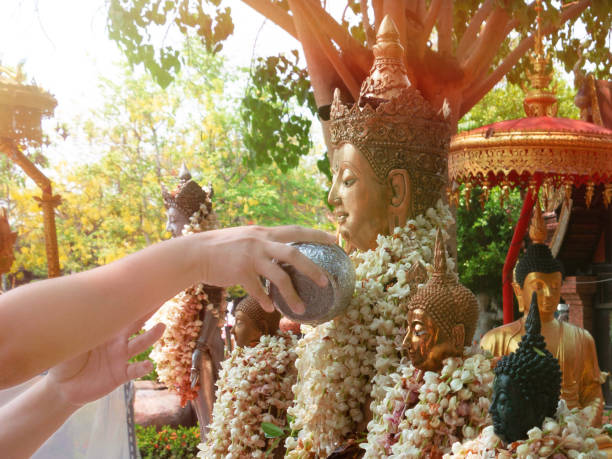
Buddhism plays a central role in the history of Songkran. Traditional celebrations focused on merit-making activities such as visiting temples, offering food to monks, and cleaning Buddha images. Gently pouring water over Buddha statues symbolized purification and the washing away of bad luck. These rituals emphasized respect, mindfulness, and spiritual renewal.
Another important tradition that developed over time is the pouring of water on elders’ hands. Younger family members ask for blessings and forgiveness, showing gratitude and respect. This practice reflects the strong family values deeply rooted in Thai society.
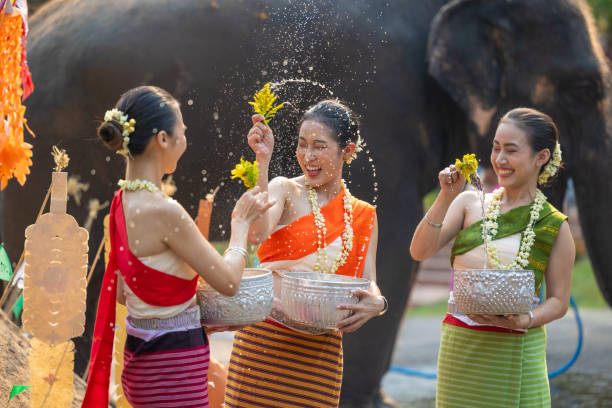
Over the years, Songkran has evolved. While traditional rituals remain important, modern celebrations now include public gatherings and water splashing in streets and communities. This playful aspect grew as a way for people to share joy, relieve heat, and welcome the New Year together.
Today, the Songkran Festival blends ancient traditions with modern expression. Understanding the history of Songkran Festival in Thailand helps reveal why Songkran is more than a water festival—it is a cultural symbol of renewal, respect, and continuity in Thai life.