The Loy Krathong eco-friendly festival is a topic many people in Thailand and travelers now care about. Loy Krathong is one of Thailand’s most beautiful festivals, but as celebrations grow larger each year, questions about environmental impact have become more important than ever.
Traditionally, Loy Krathong was naturally eco-friendly. People made krathongs from banana tree trunks, banana leaves, flowers, candles, and incense. These materials floated briefly and then decomposed naturally in rivers and canals. The festival symbolized letting go of bad luck, showing gratitude to water, and respecting nature rather than harming it.
However, modern celebrations changed this balance. In the past few decades, some krathongs were made from styrofoam, plastic, or synthetic decorations. These materials do not break down easily and can pollute waterways, harm fish, and increase cleanup waste. In large cities, millions of krathongs enter rivers in one night, creating serious environmental pressure.

Today, Thailand is moving back toward sustainability. Many cities now promote the Loy Krathong eco-friendly festival by banning styrofoam krathongs and encouraging biodegradable options. Schools, temples, and communities teach people how to make krathongs using banana leaves, bread, coconut shells, or natural flowers. Some areas even promote floating one krathong per family to reduce waste.
Modern alternatives also support eco-friendly celebration. Some people choose to float digital krathongs online, release krathongs in designated ponds, or place krathongs symbolically without water release. These options respect tradition while protecting the environment.
For travelers, being eco-conscious during Loy Krathong is simple. Choosing natural krathongs, avoiding plastic decorations, and following local rules help preserve Thailand’s waterways. Participating respectfully supports the true spirit of the festival.
Today, Loy Krathong is slowly returning to its roots. With awareness and responsible choices, the Loy Krathong eco-friendly festival can remain both meaningful and sustainable for future generations.
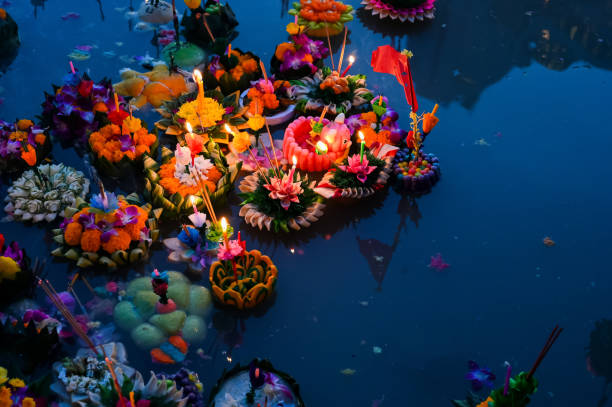
Final Tip
When attending the festival, always choose biodegradable krathongs and avoid overcrowded waterways. Celebrate mindfully by respecting the traditions while protecting nature — a simple step that ensures the beauty of Loy Krathong can be enjoyed for generations to come.