Pouring water on hands is one of the most meaningful traditions of Songkran, Thailand’s New Year festival. While many people associate Songkran with water fights, this gentle ritual reveals the festival’s deeper cultural and spiritual meaning.
A Symbol of Respect and Gratitude
Younger people pour water on the hands of elders, parents, teachers, or respected community members to show respect and gratitude. During this moment, they often ask for forgiveness and express appreciation for guidance and care. This action strengthens family bonds and reflects the strong Thai value of honoring elders.
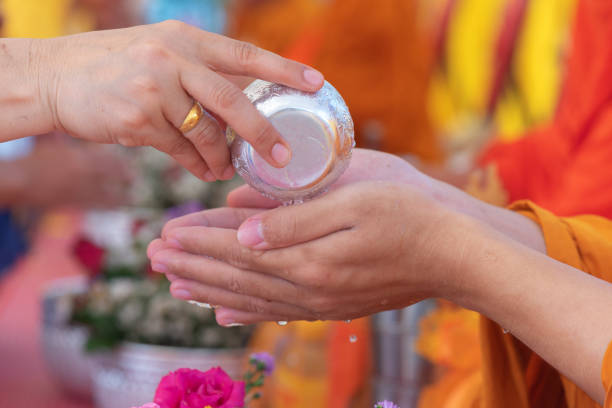
Water as Purification and Renewal
In Thai culture, water represents cleansing and renewal. During Songkran, people use water to wash away bad luck and welcome a fresh start for the new year. Families usually add light floral scents to the water to symbolize purity and good intentions. This calm ritual contrasts clearly with playful street celebrations.
Blessings and Family Connection
After receiving the water, elders give blessings in return. They wish for good health, happiness, and success in the coming year. This exchange creates emotional connection and allows wisdom and tradition to pass from one generation to the next. Families often perform this ritual at home or at temples, creating a peaceful and meaningful moment during the festival.
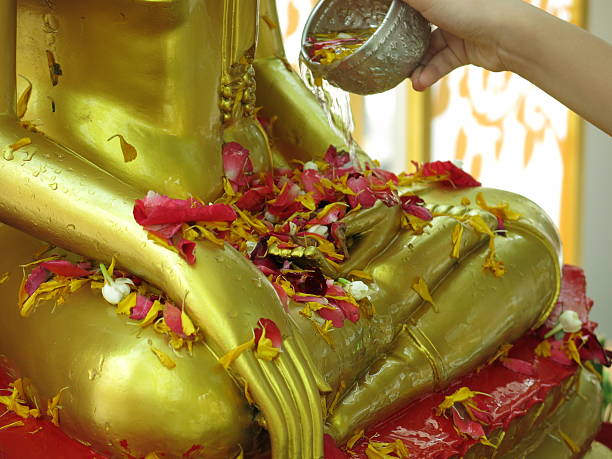
Cultural Meaning Today
Even today, many Thai families continue this tradition because it preserves cultural identity and reinforces respect and gratitude. Understanding the meaning behind pouring water on hands helps visitors see Songkran as more than a water festival—it is a celebration of renewal, family, and respect.
Pour water gently, show respect to elders, and remember this Songkran ritual is about blessings, not fun.