When people think of Songkran, they often imagine crowded streets, loud music, and endless water fights. Social media is filled with images of soaked tourists, water guns, and parties that last all day. But behind those viral moments, Songkran has a much quieter and deeper side that rarely appears online.
In many Thai homes, Songkran begins early in the morning with simple routines. Families clean their houses, not just for appearance, but as a symbolic act of letting go of the past year. Old items are thrown away, spaces are refreshed, and homes are prepared to welcome a new beginning.
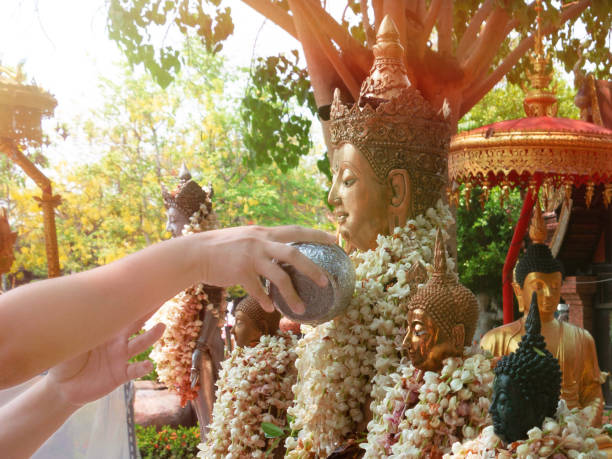
Temples play a central role in this quieter Songkran. People visit to make merit, offer food to monks, and listen to sermons. The atmosphere is peaceful and respectful. Instead of splashing water, gentle pouring of clean, scented water is used as a blessing, especially for Buddha images and elders.
One of the most meaningful traditions happens away from the streets: younger family members pour water over the hands of parents and grandparents. This act is done slowly and respectfully, asking for forgiveness and blessings. It is emotional, personal, and deeply rooted in Thai values of gratitude and respect.
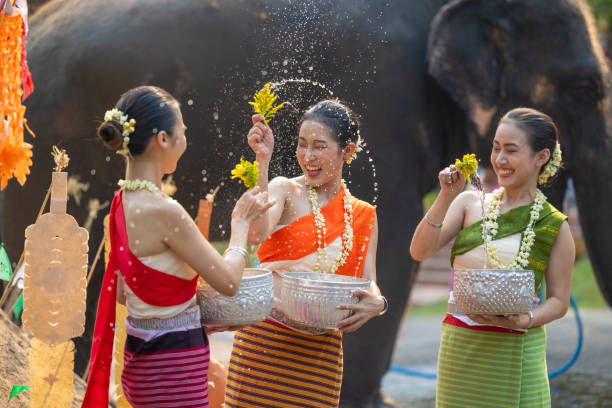
In rural areas, Songkran can feel almost silent. Villages gather for shared meals, temple fairs, and community rituals. There are smiles and conversations rather than noise and crowds. For many Thais, this calm environment is the true heart of the festival.
The quiet side of Songkran reminds us that the festival is not about water fights alone. It is about reflection, renewal, family bonds, and respect. While the loud celebrations may dominate the internet, the soul of Songkran lives in these gentle moments—felt, not filmed.
Final Tip:
Enjoy the fun, respect local traditions, dress appropriately at temples, and remember that Songkran is about renewal, family, and respect—not just water fights