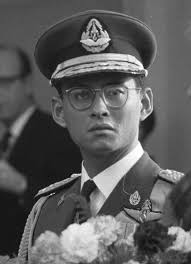
Thailand celebrates Father’s Day every year on December 5. The date is also the birthday of His Majesty King Bhumibol Adulyadej (Rama IX), who was born on December 5, 1927. Because King Bhumibol was deeply respected as the “father of the nation,” December 5 became associated with honoring fathers and father figures throughout Thailand.
Thailand does not celebrate Father’s Day on the same date as countries that observe the Western Father’s Day tradition, which usually falls on the third Sunday of June.
Thailand’s modern Father’s Day tradition is closely connected to King Bhumibol Adulyadej. He was widely regarded as a father figure to the Thai people because of his long reign and his dedication to the country’s development and welfare.
Thailand’s Father’s Day Symbol
One of the most recognizable symbols of Thai Father’s Day is the canna flower, called ดอกพุทธรักษา (Dok Phuttharaksa) in Thai. The flower is traditionally associated with fatherhood and masculinity and is commonly given to fathers on Father’s Day. The name Phuttharaksa is also associated with protection and care, making the flower especially meaningful in the context of a father’s role in protecting and supporting his family.
Blue is strongly associated with Thailand’s Father’s Day because it is traditionally associated with Queen Sirikit, whose birthday is August 12 and who is honored on Thai Mother’s Day.
For Father’s Day, you will often see yellow as an important color because yellow is associated with King Bhumibol, who was born on a Monday. In Thailand, colors are traditionally associated with the days of the week, and yellow represents Monday.
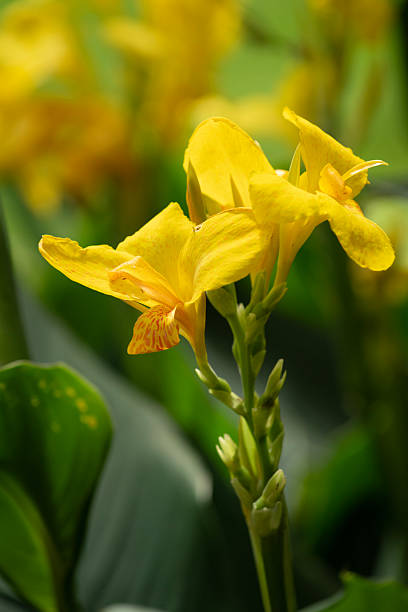
So you may see Thai Father’s Day decorations featuring yellow, portraits of King Bhumibol, the national flag, and canna flowers.
How Thai People Celebrate
Father’s Day is generally a family-centered occasion. Common traditions include:
- Children spending time with their fathers and family.
- Giving fathers gifts or flowers.
- Showing respect by ไหว้ (wai) the traditional Thai gesture of respect.
- Schools organizing Father’s Day activities.
- Children taking part in ceremonies honoring fathers.
- Some families going out for a meal together.
- Children expressing their appreciation and gratitude to their fathers.
A particularly recognizable school tradition is children kneeling before their fathers and presenting a canna flower as a symbol of love, gratitude, and respect.
More Than Just a Day for Fathers
Thai Father’s Day has two connected meanings.
On a family level, it is a day for children to appreciate their fathers and father figures.
On a national level, December 5 historically had a strong connection with King Bhumibol Adulyadej, whose birthday was celebrated as a national occasion during his lifetime.
Following his death in 2016, December 5 continues to be observed as National Day, Father’s Day, and the birthday anniversary of King Bhumibol Adulyadej.